the export gap: textile waste along the coast of Accra, Ghana
What happens when garments counted as donation or diversion in exporting countries reappear as waste at their import destination?
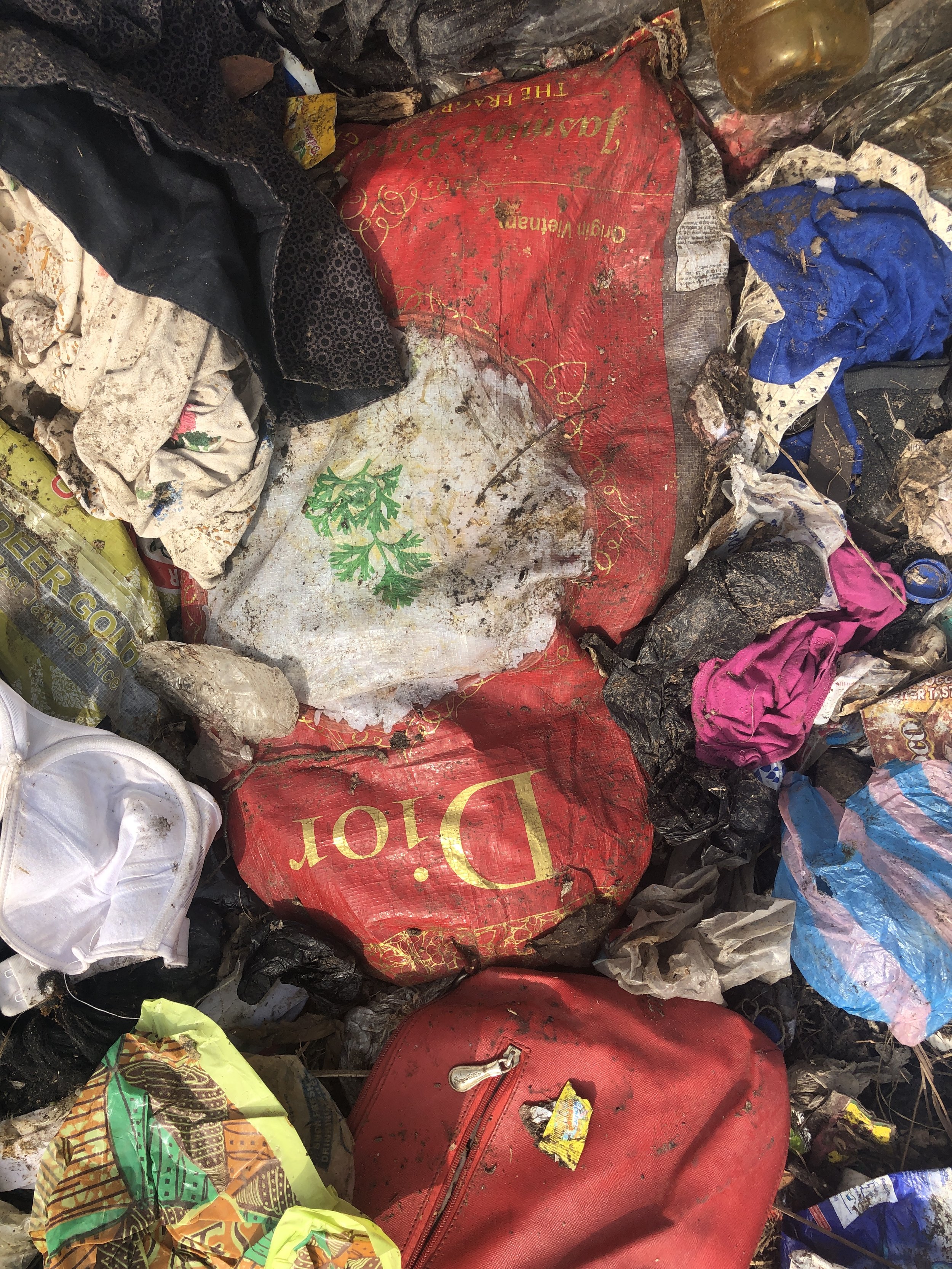
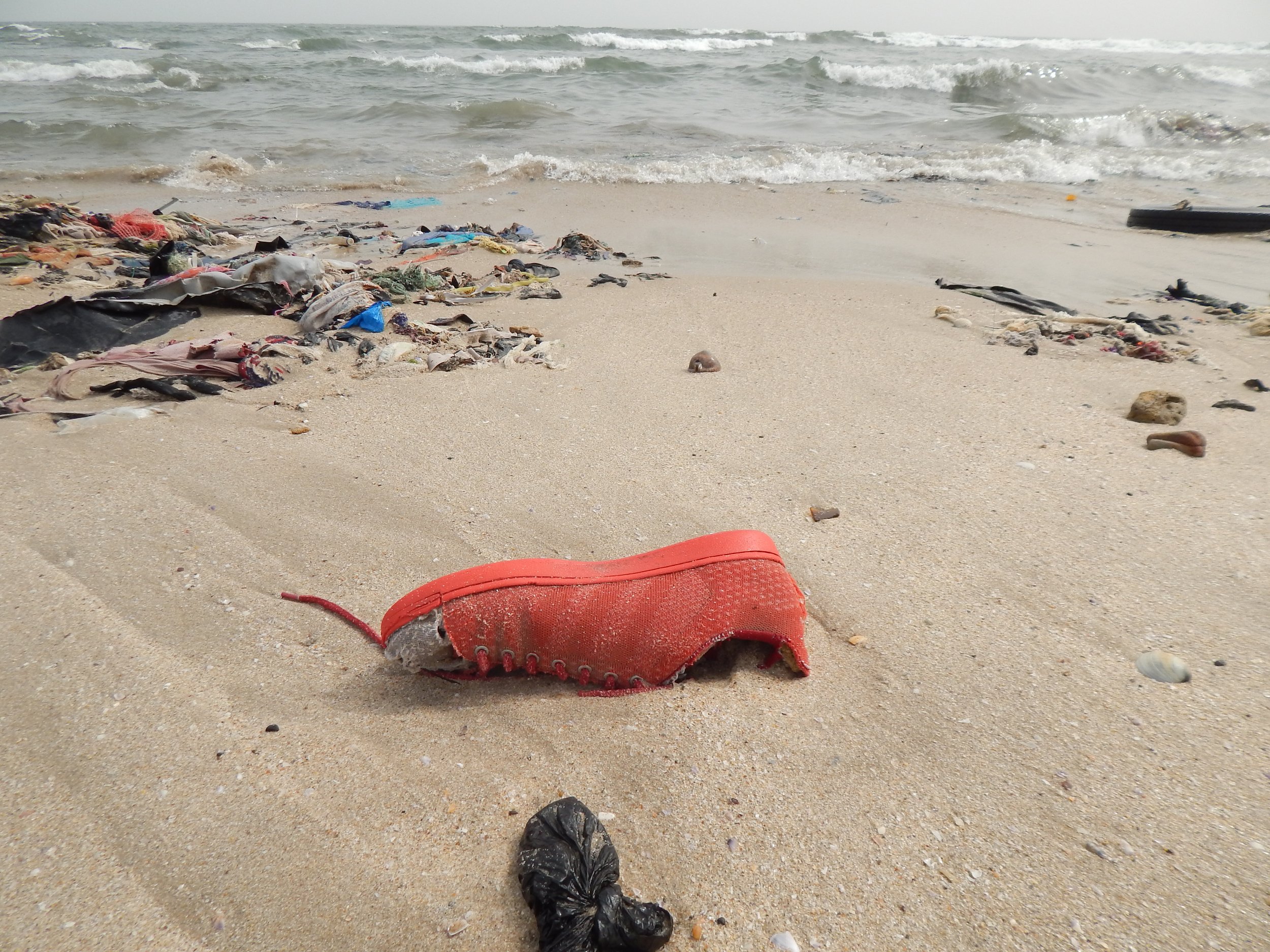
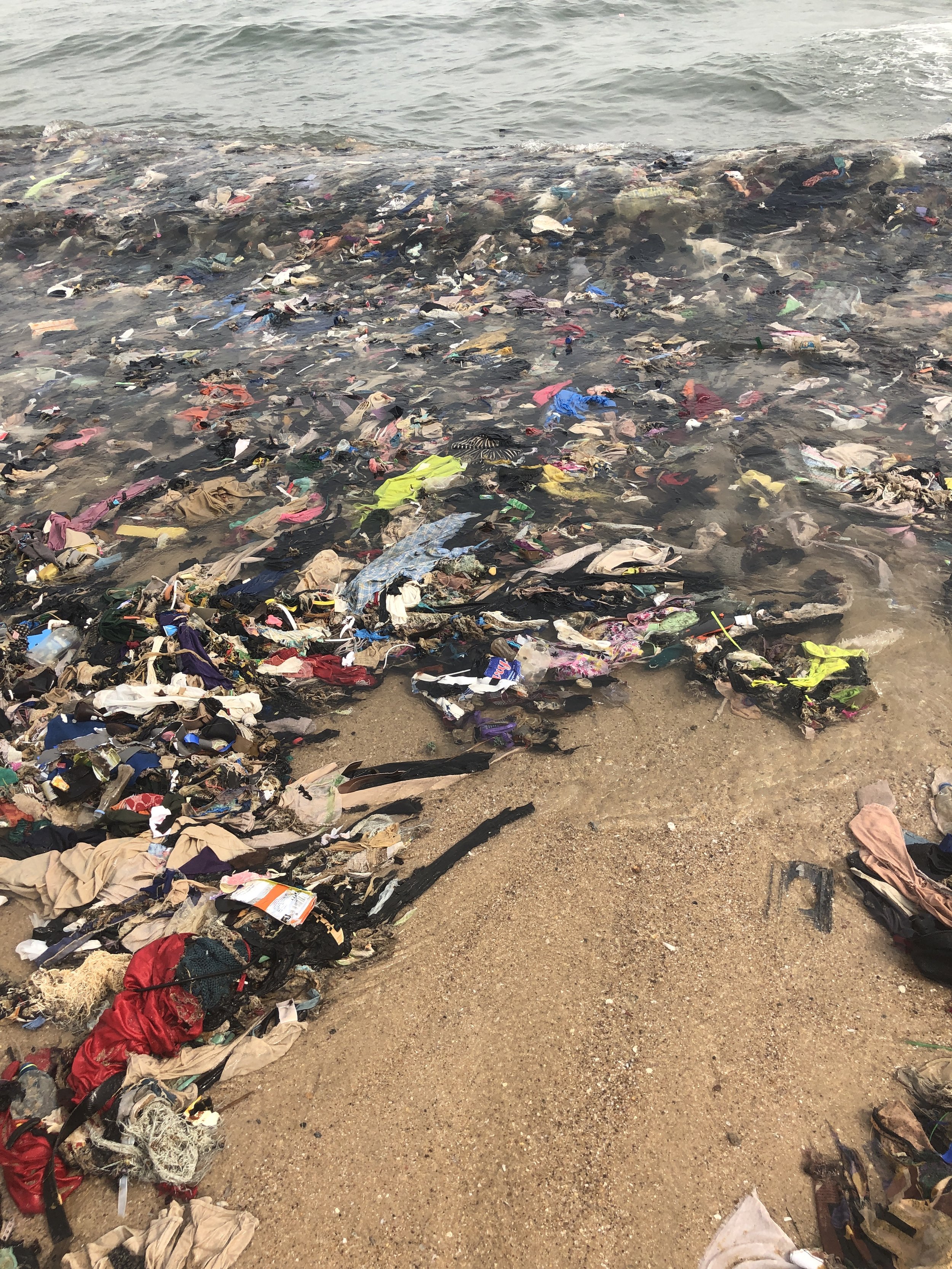
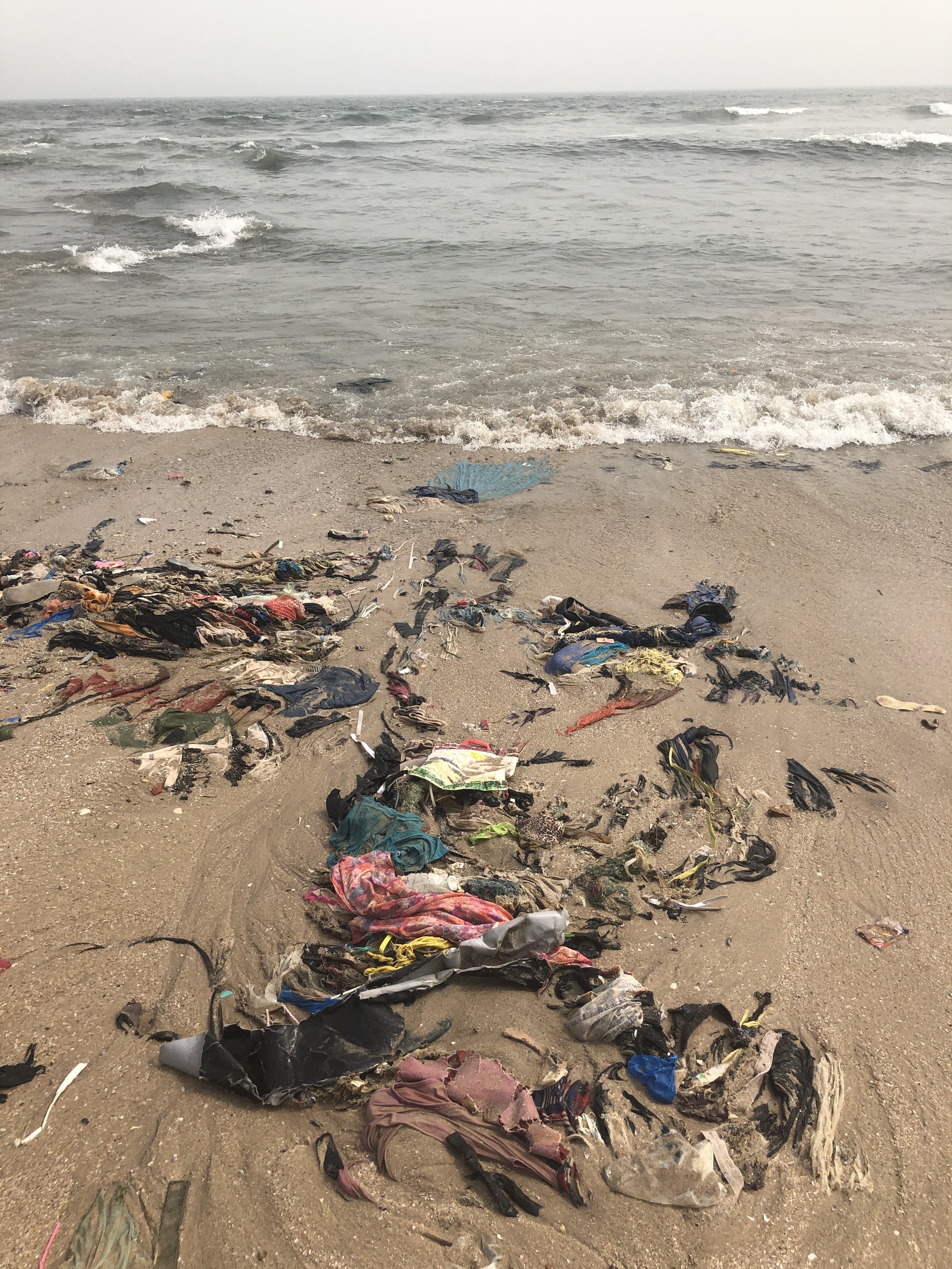
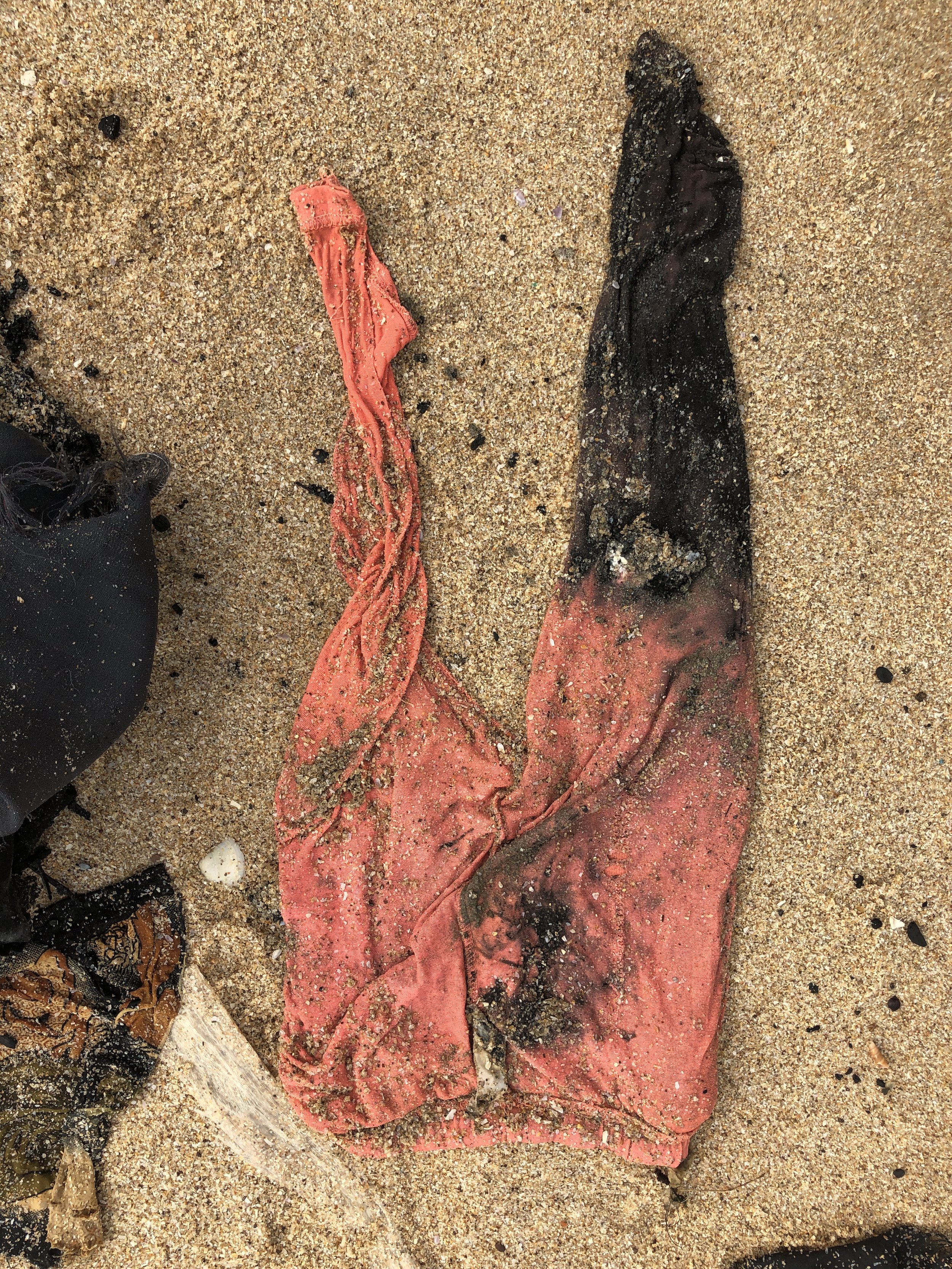
This fieldwork examines secondhand clothing waste along the coast of Accra, Ghana, where exported garments accumulate in forms and at scales that are largely absent from dominant global textile waste metrics. The project documents how clothing classified as donation, reuse, or diversion in exporting countries can later reappear as unsellable waste at import destinations, challenging how responsibility for textile waste is measured and assigned.
overview
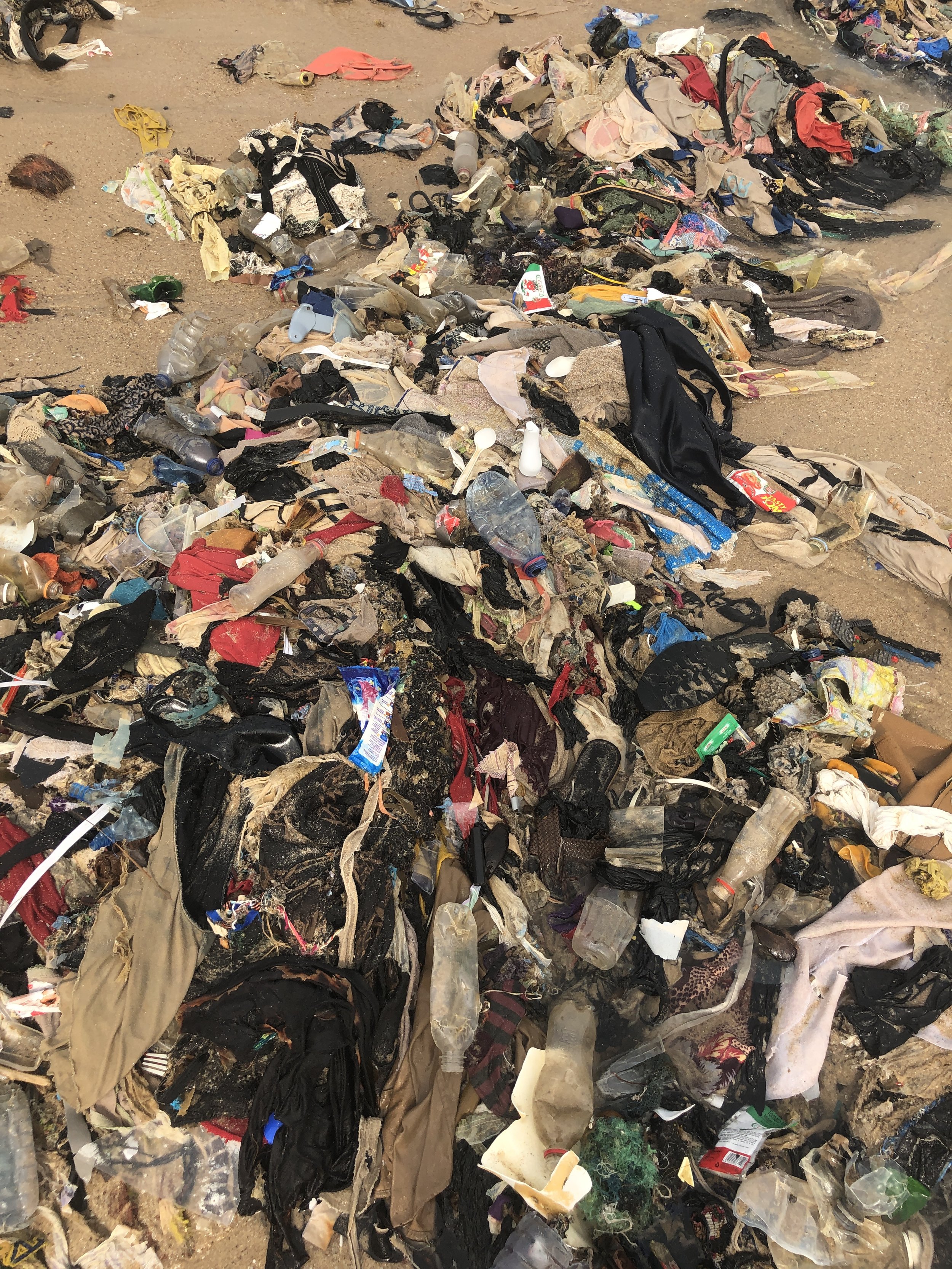
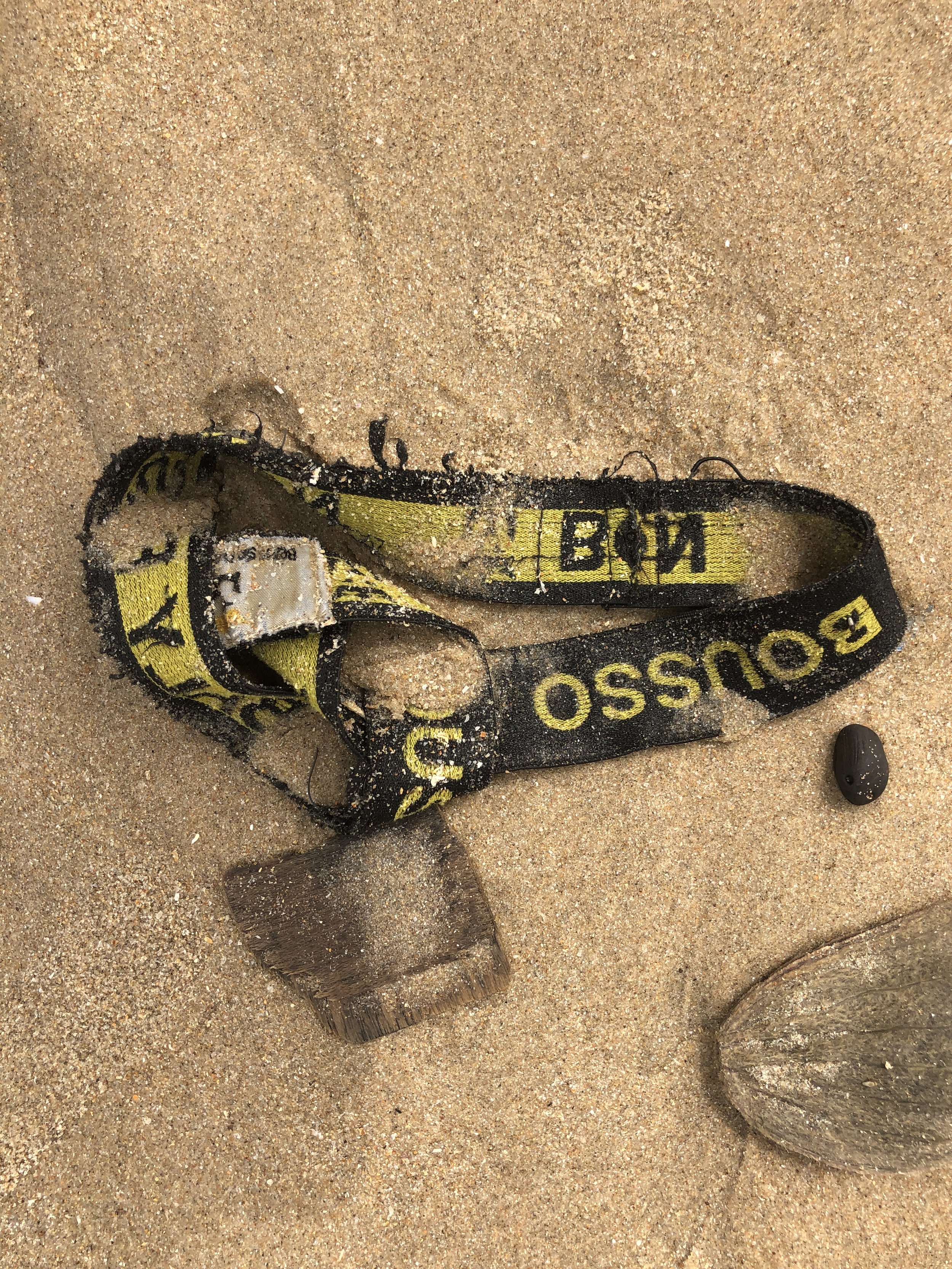
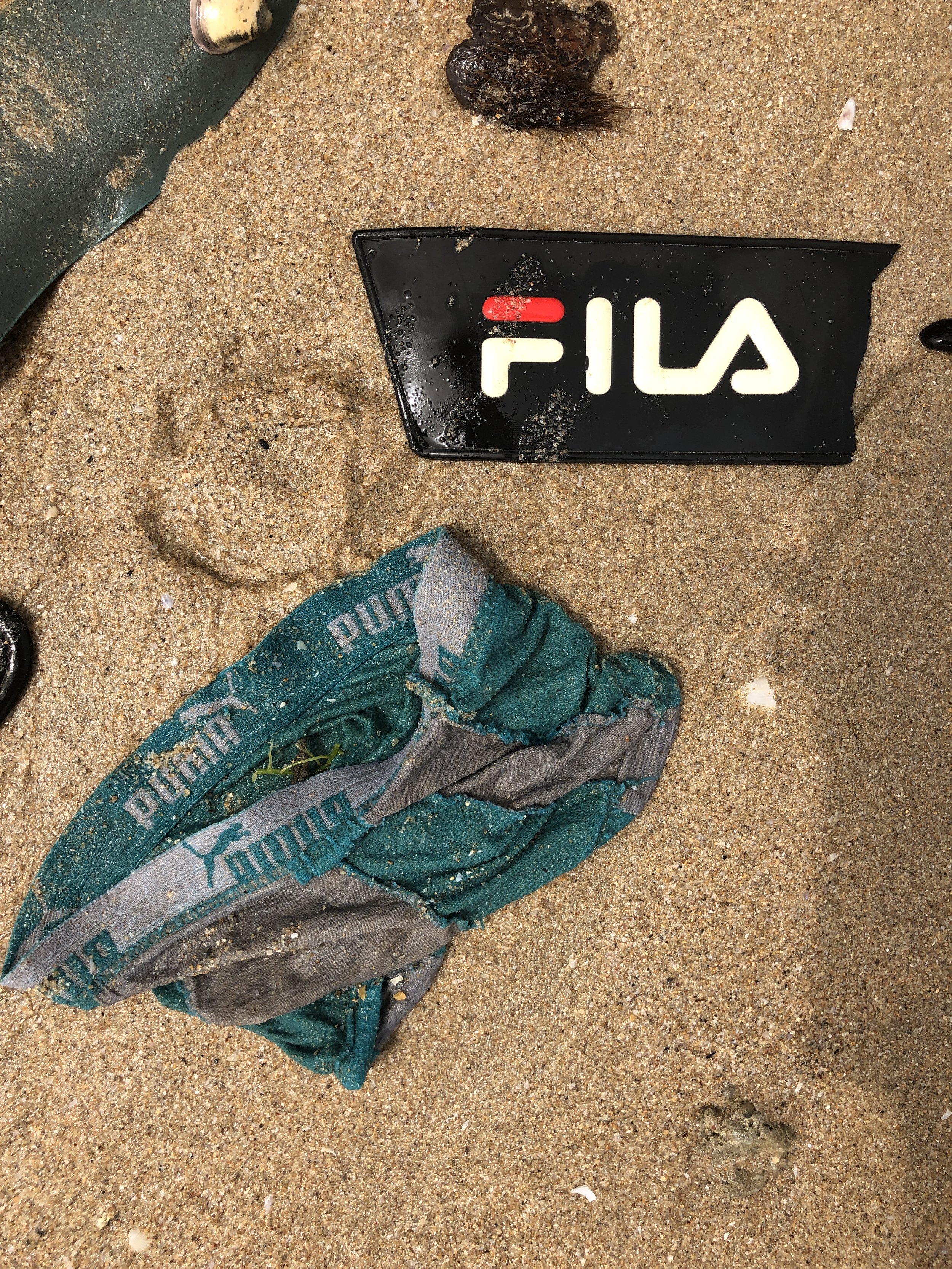
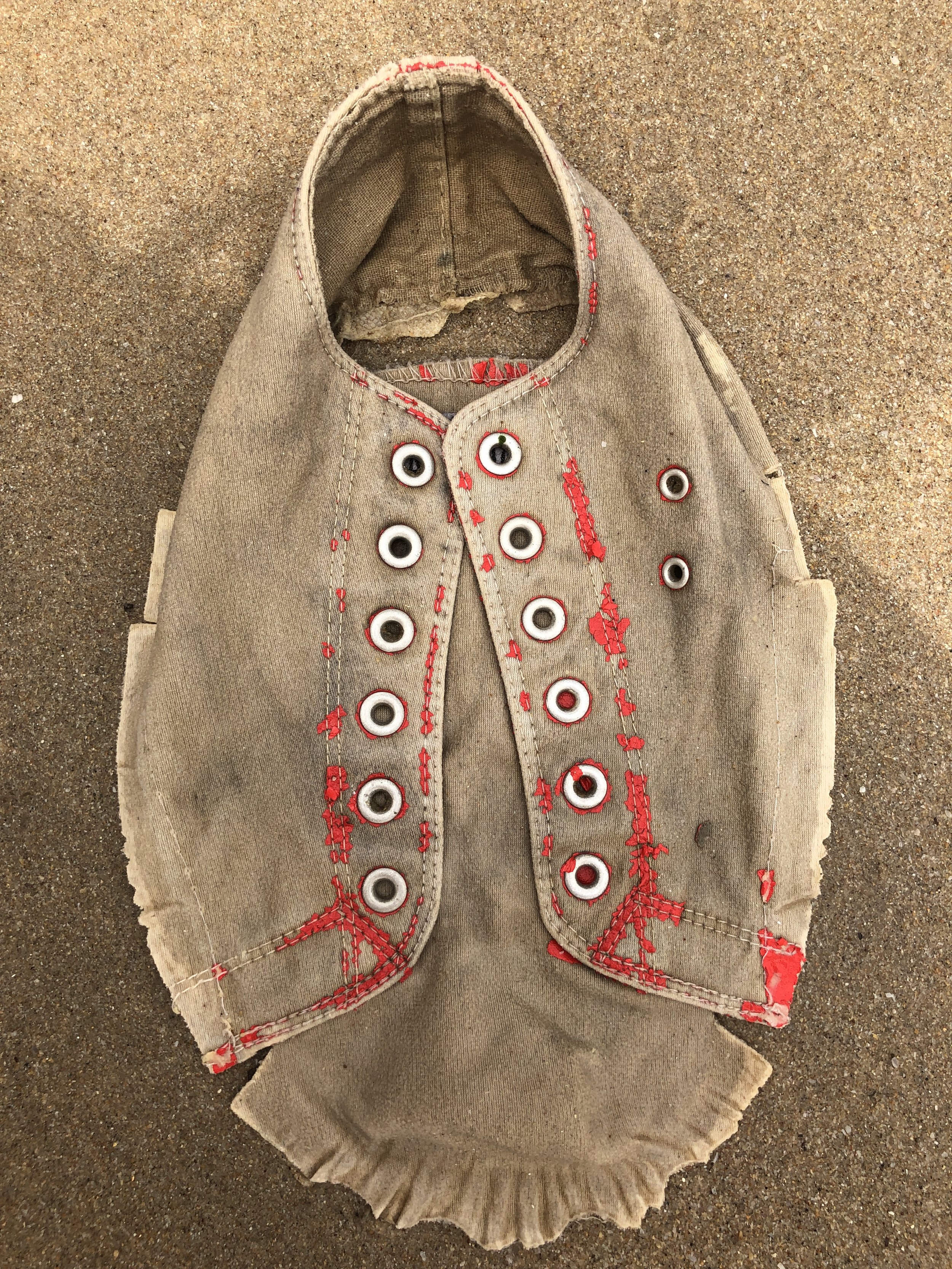
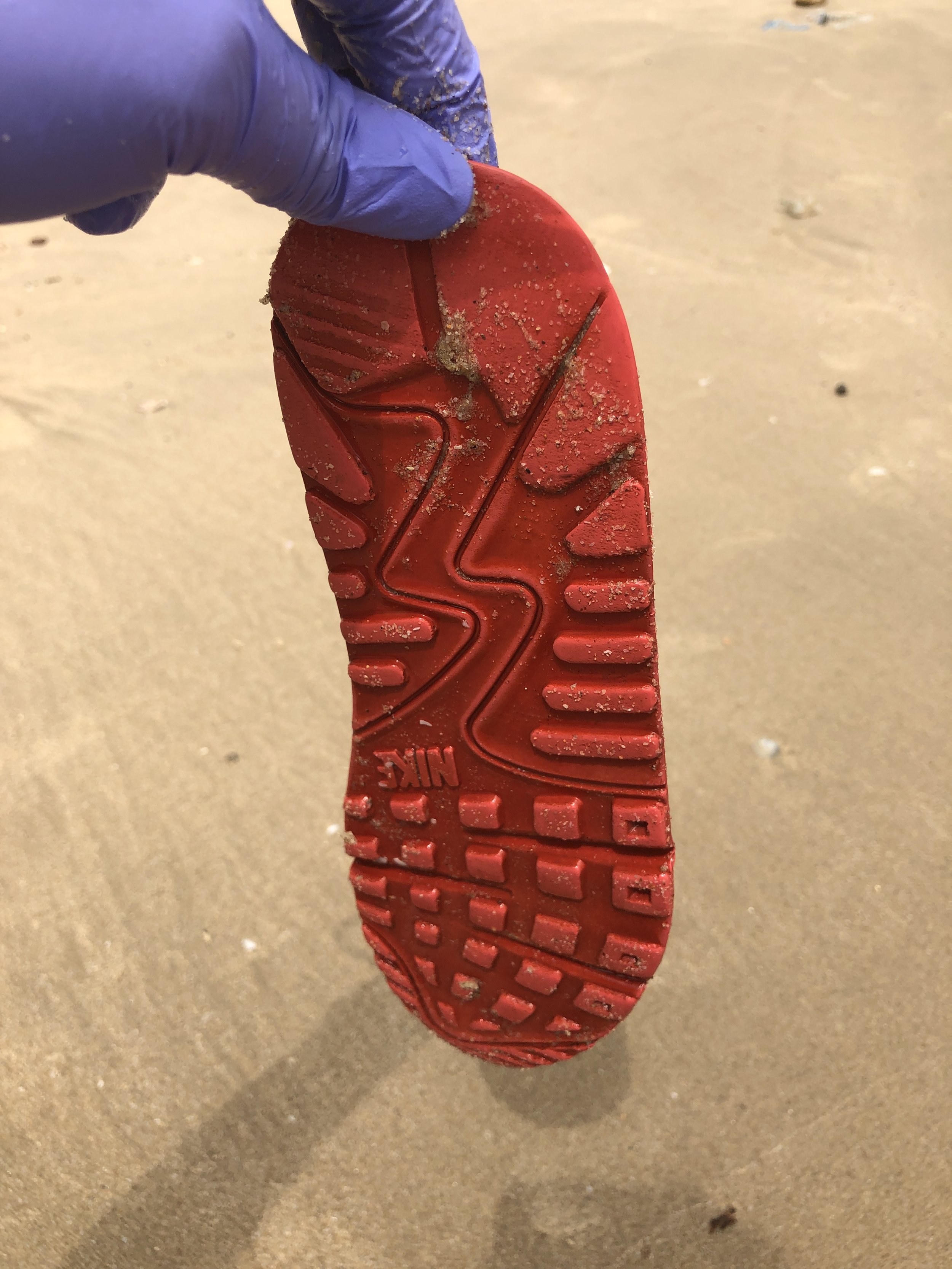
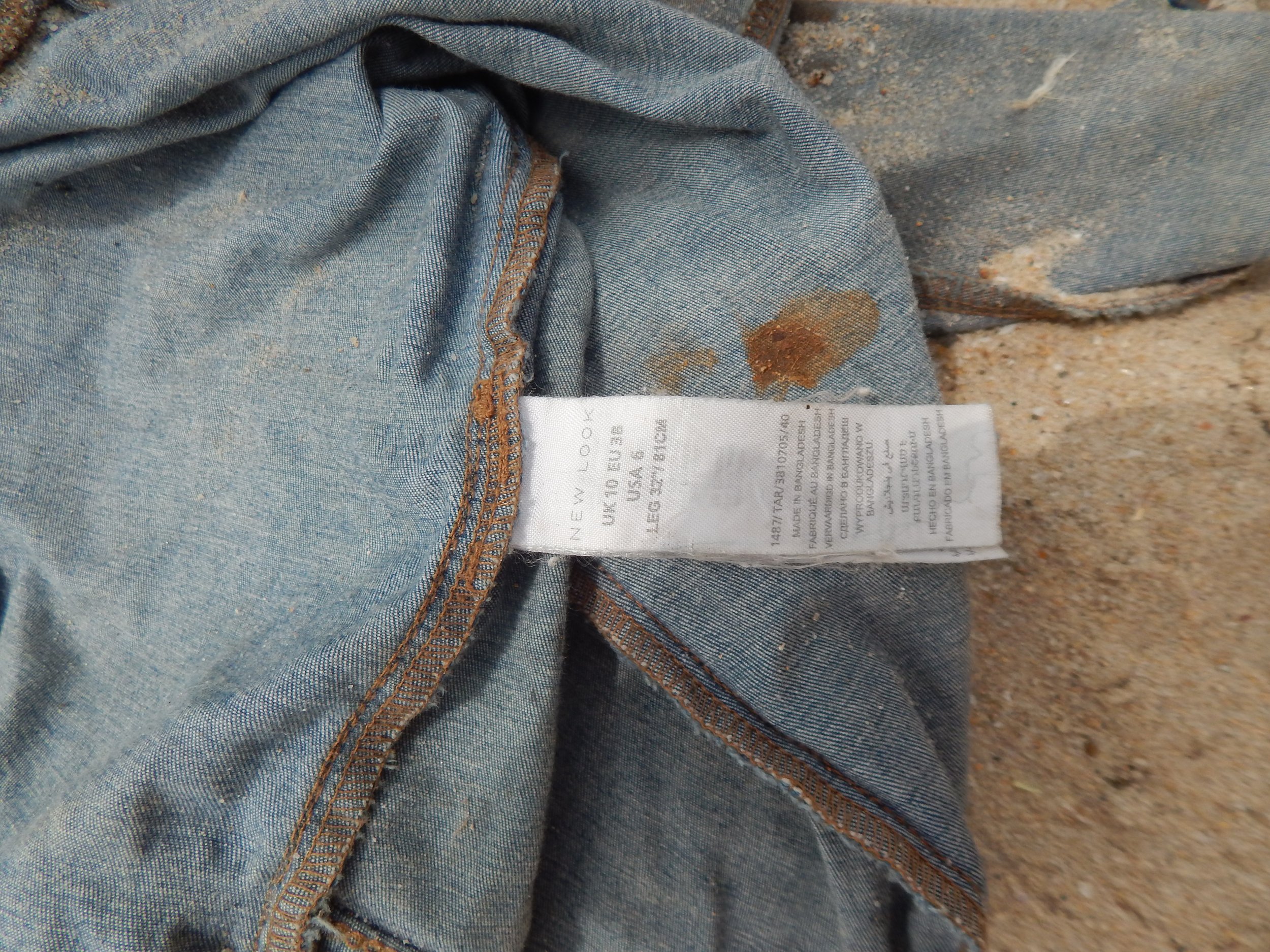
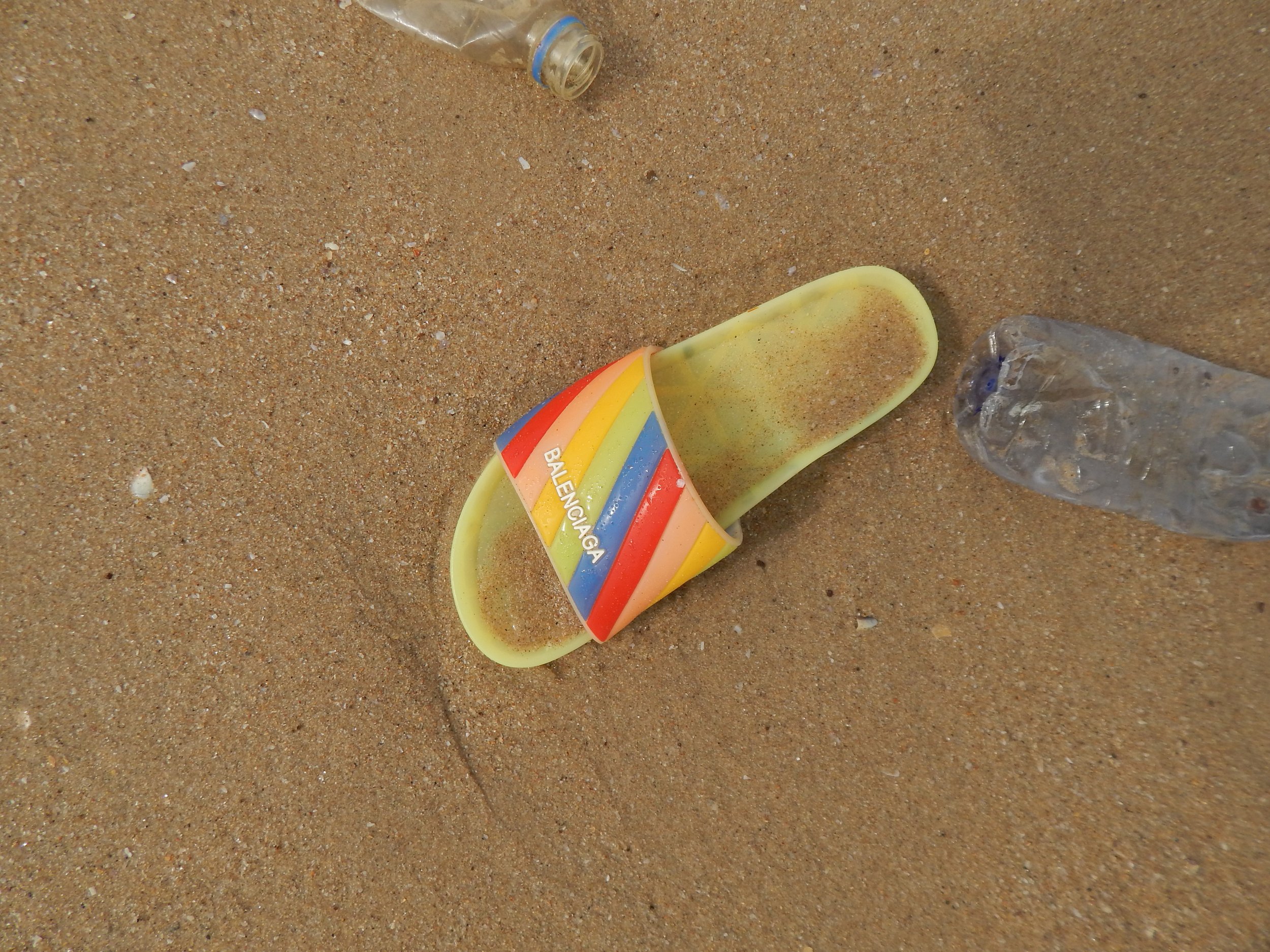
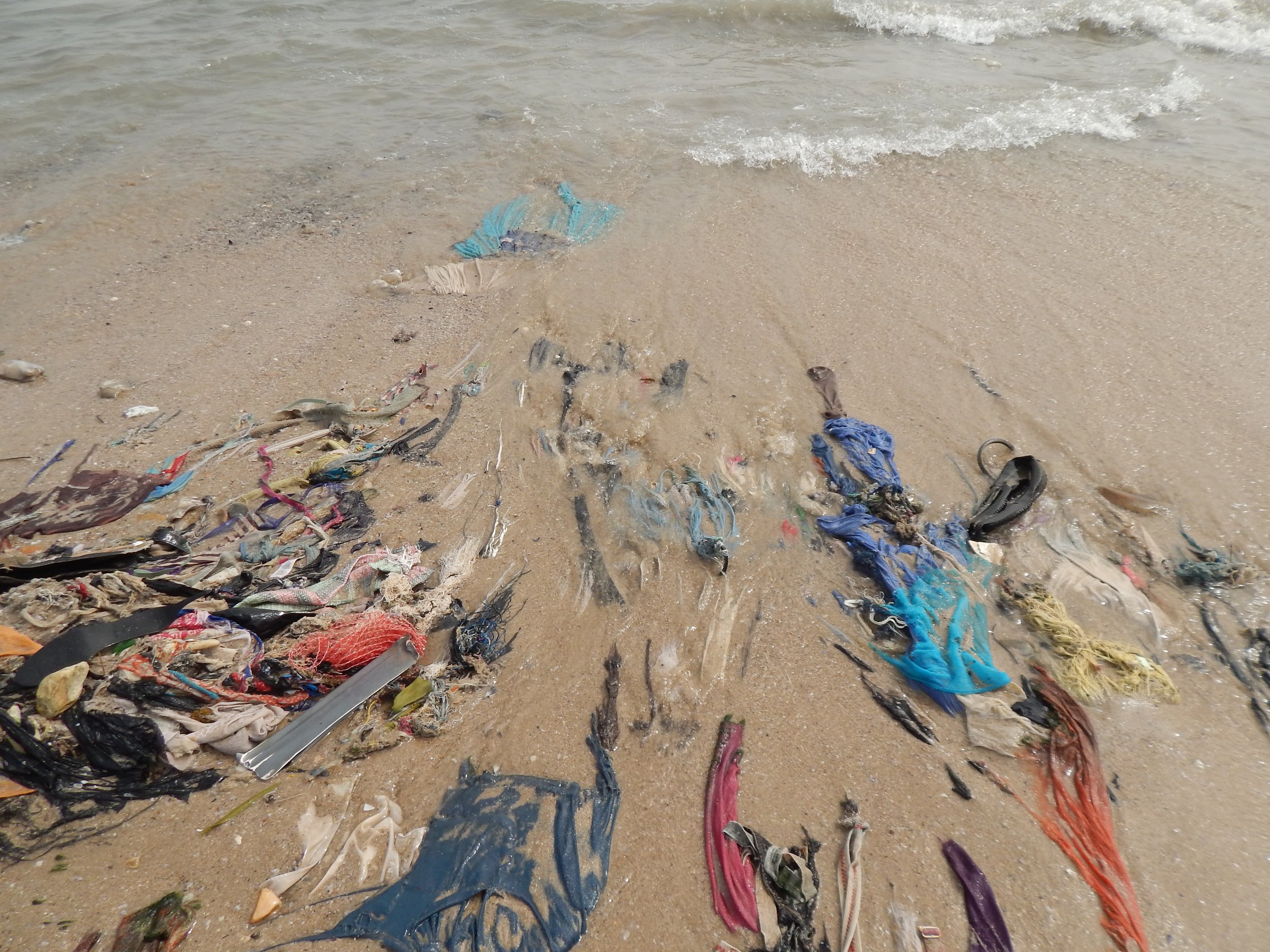
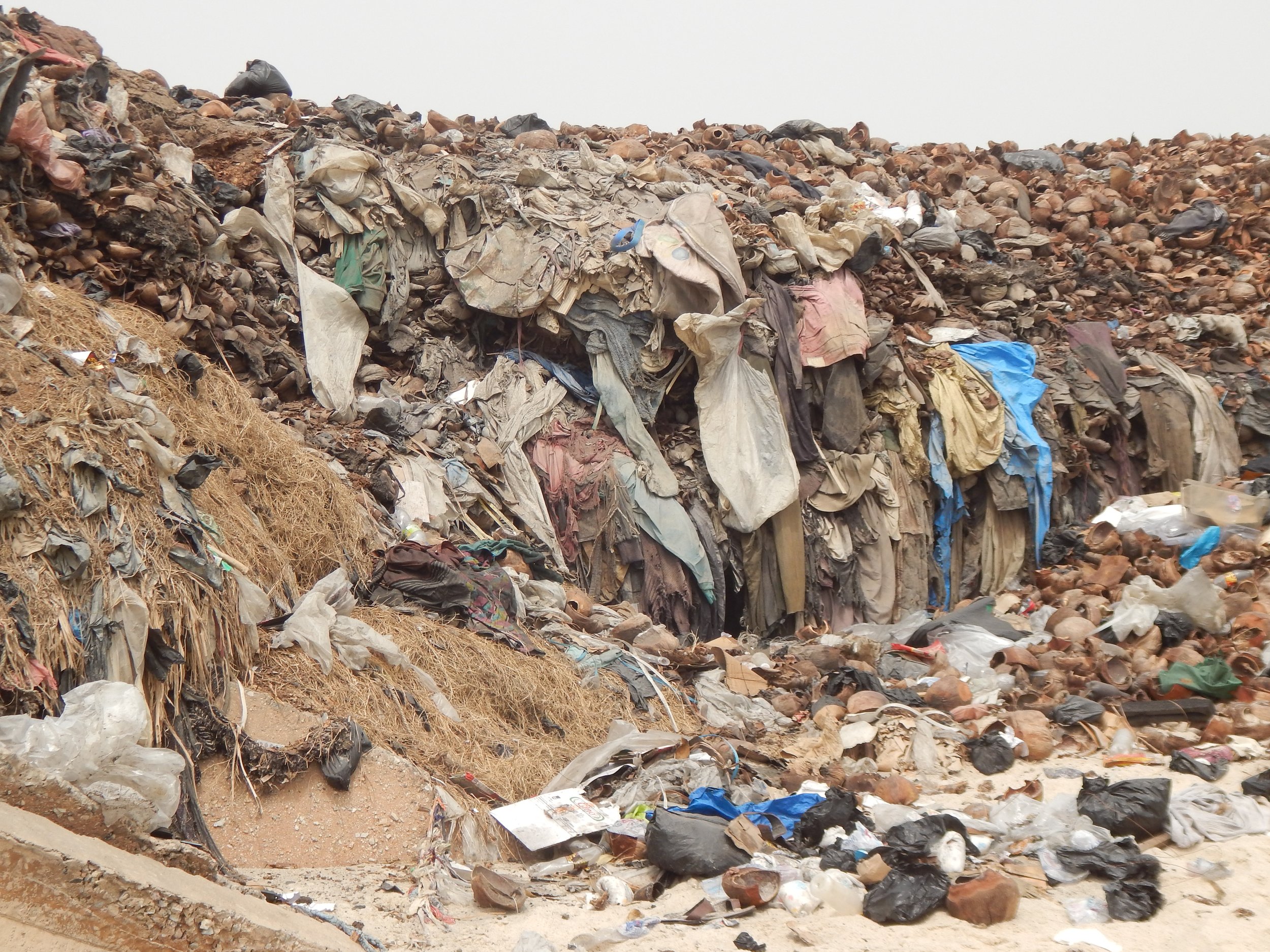
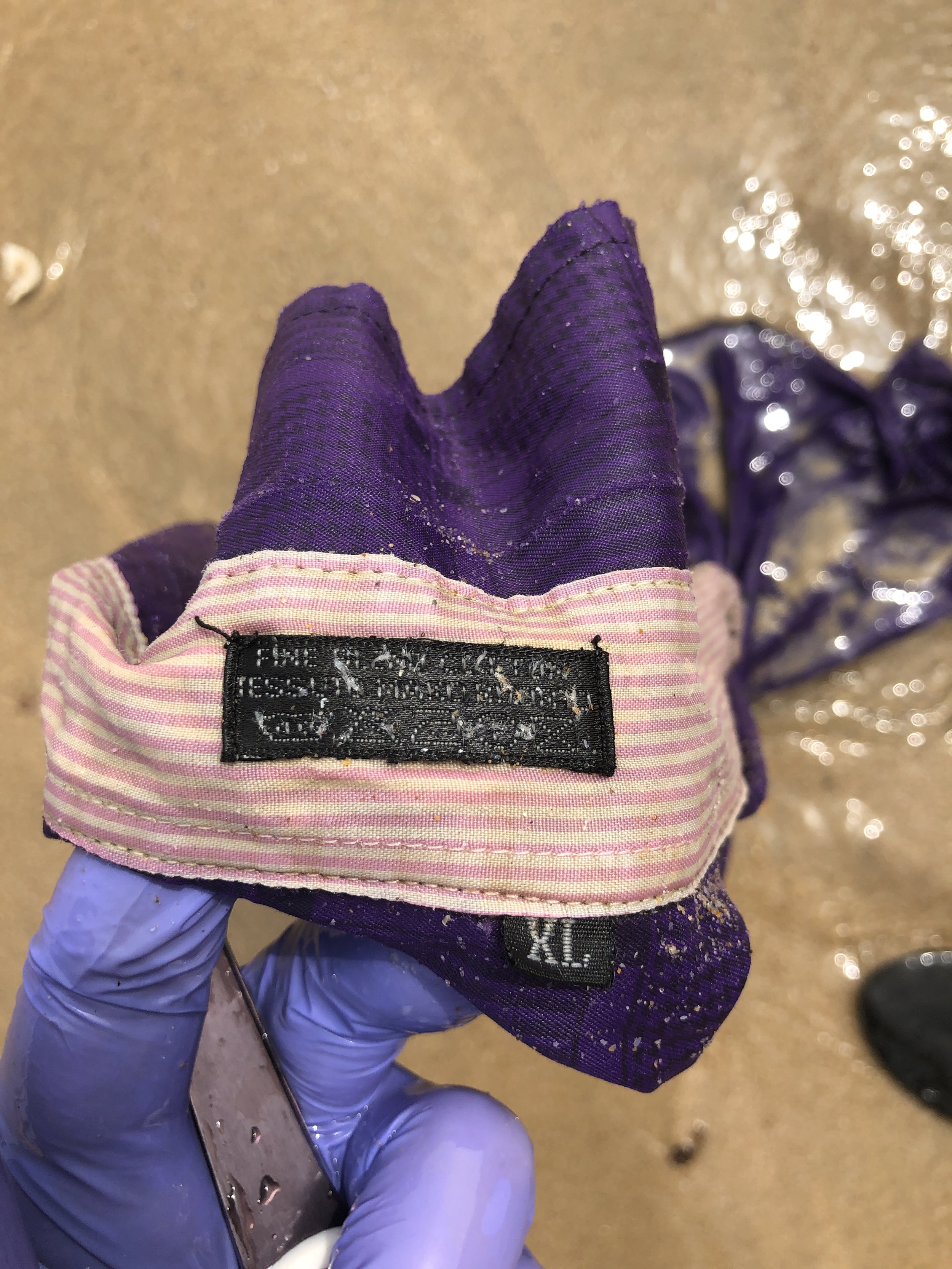
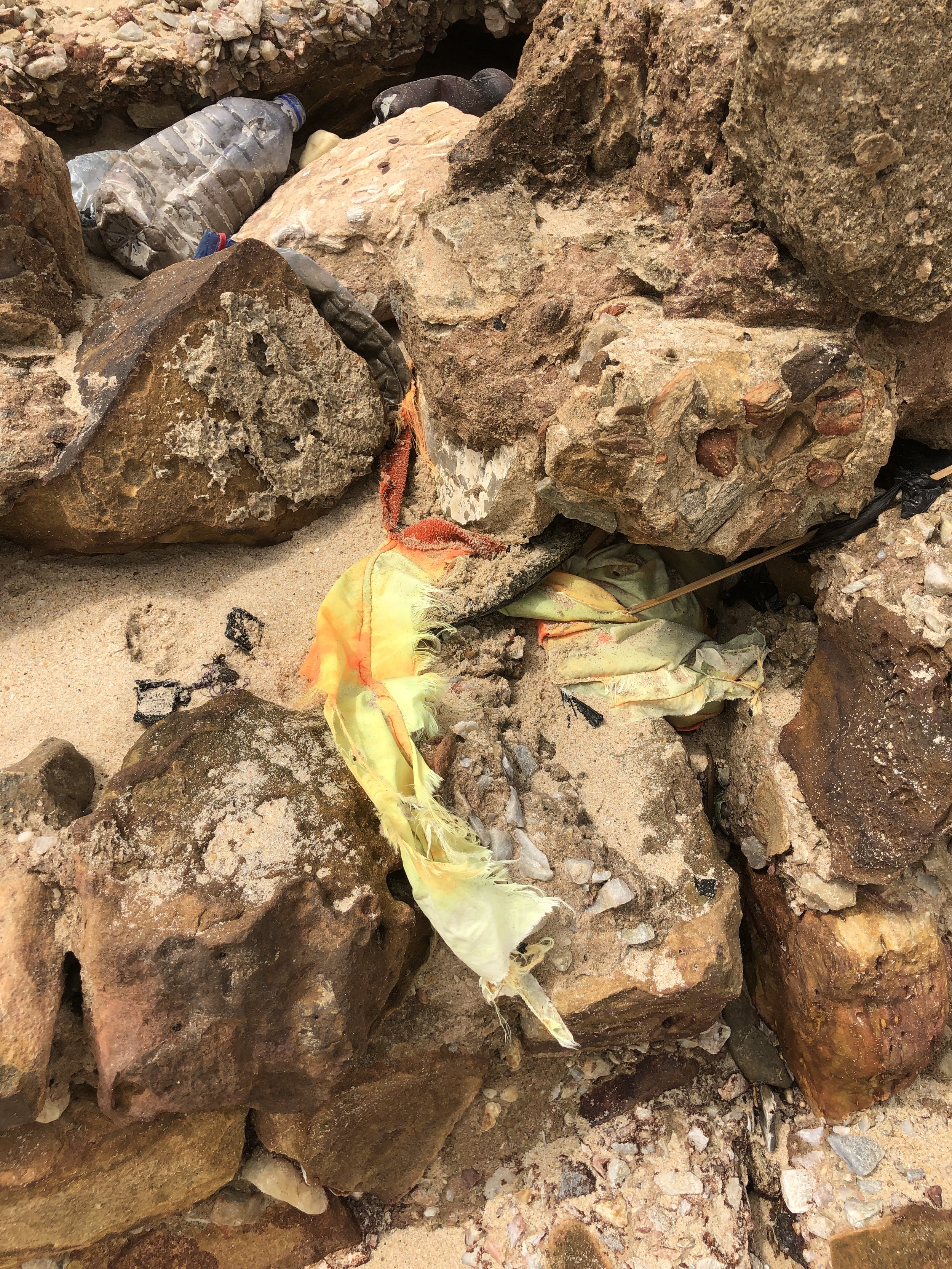
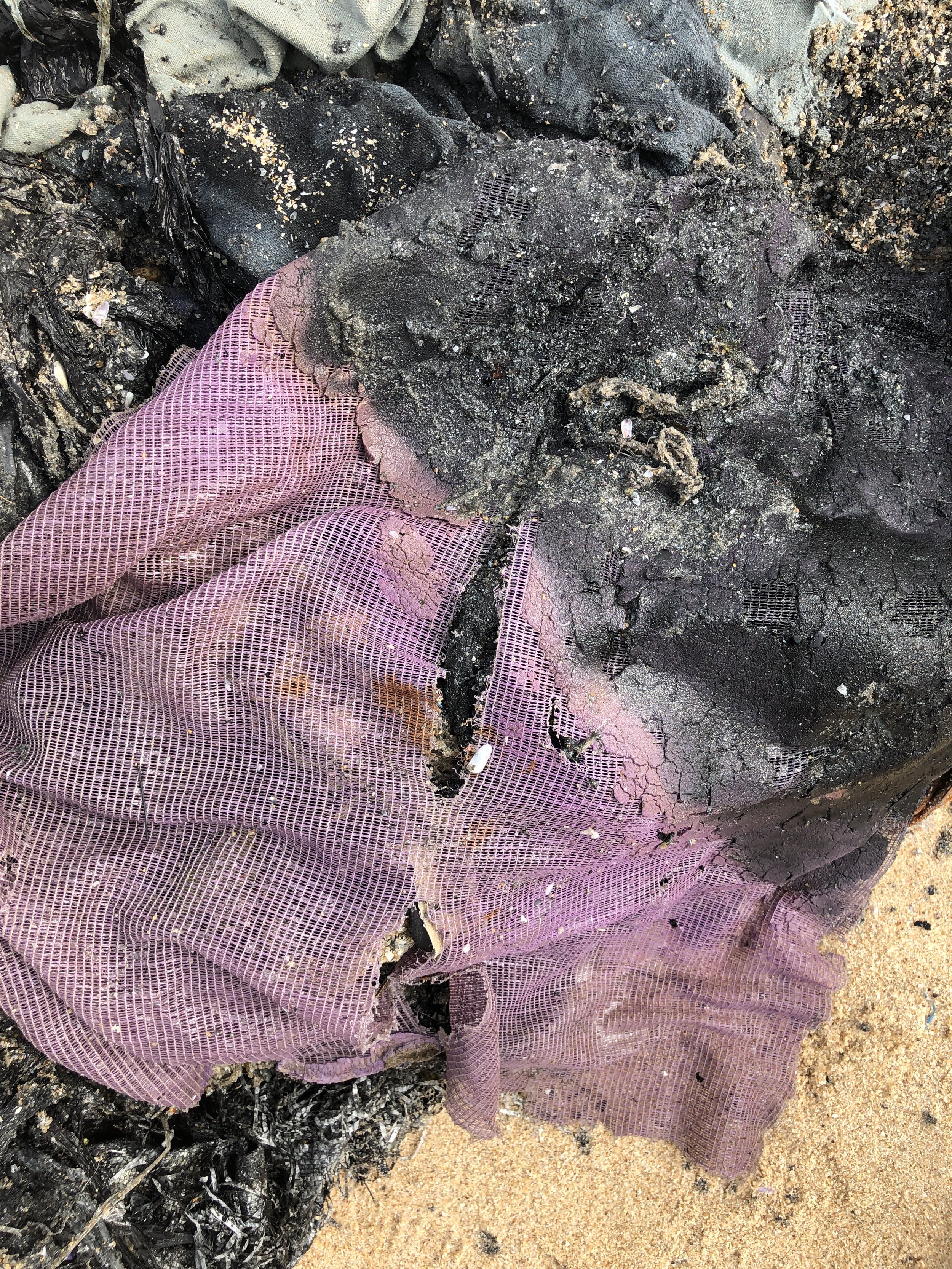
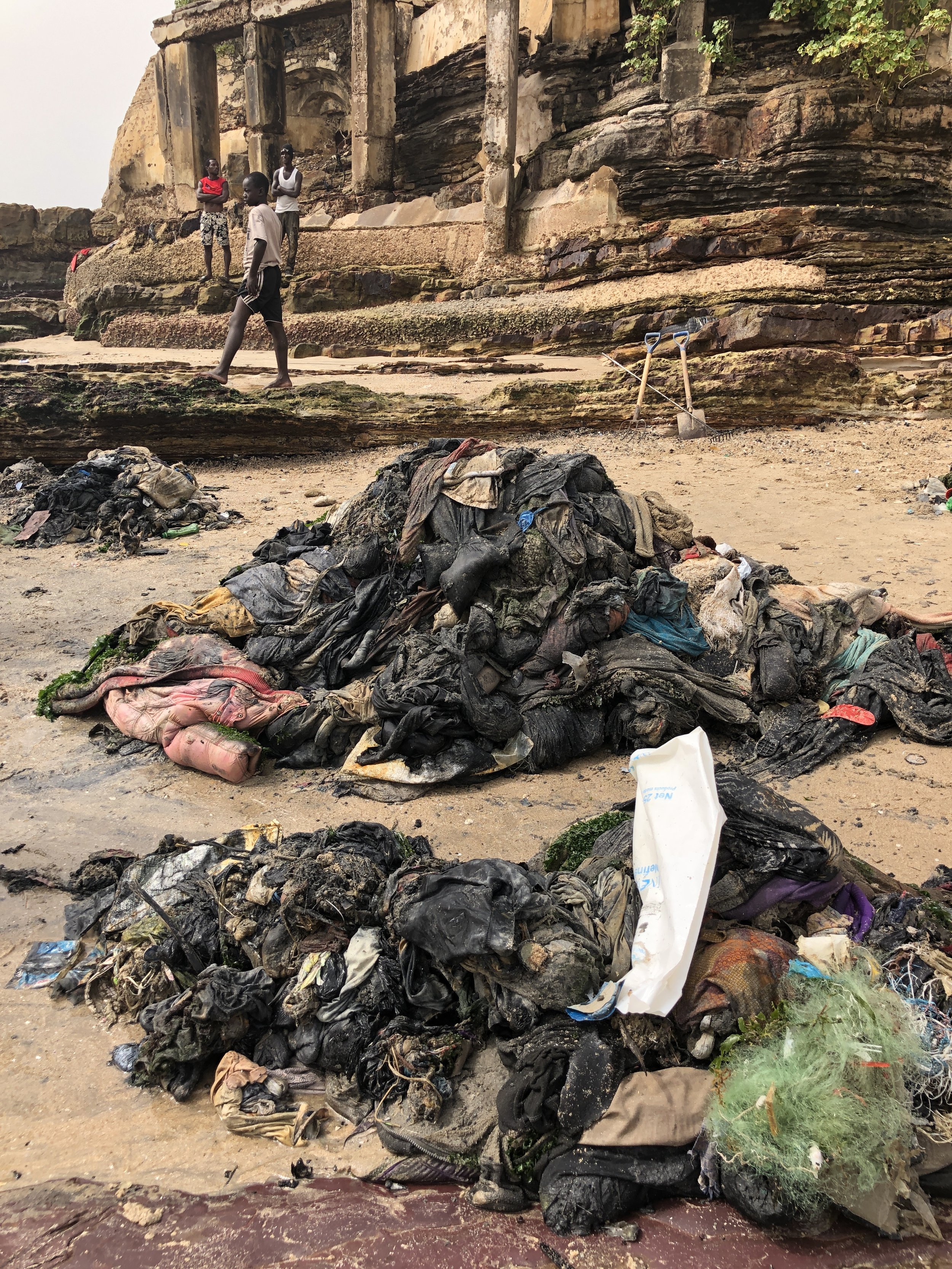
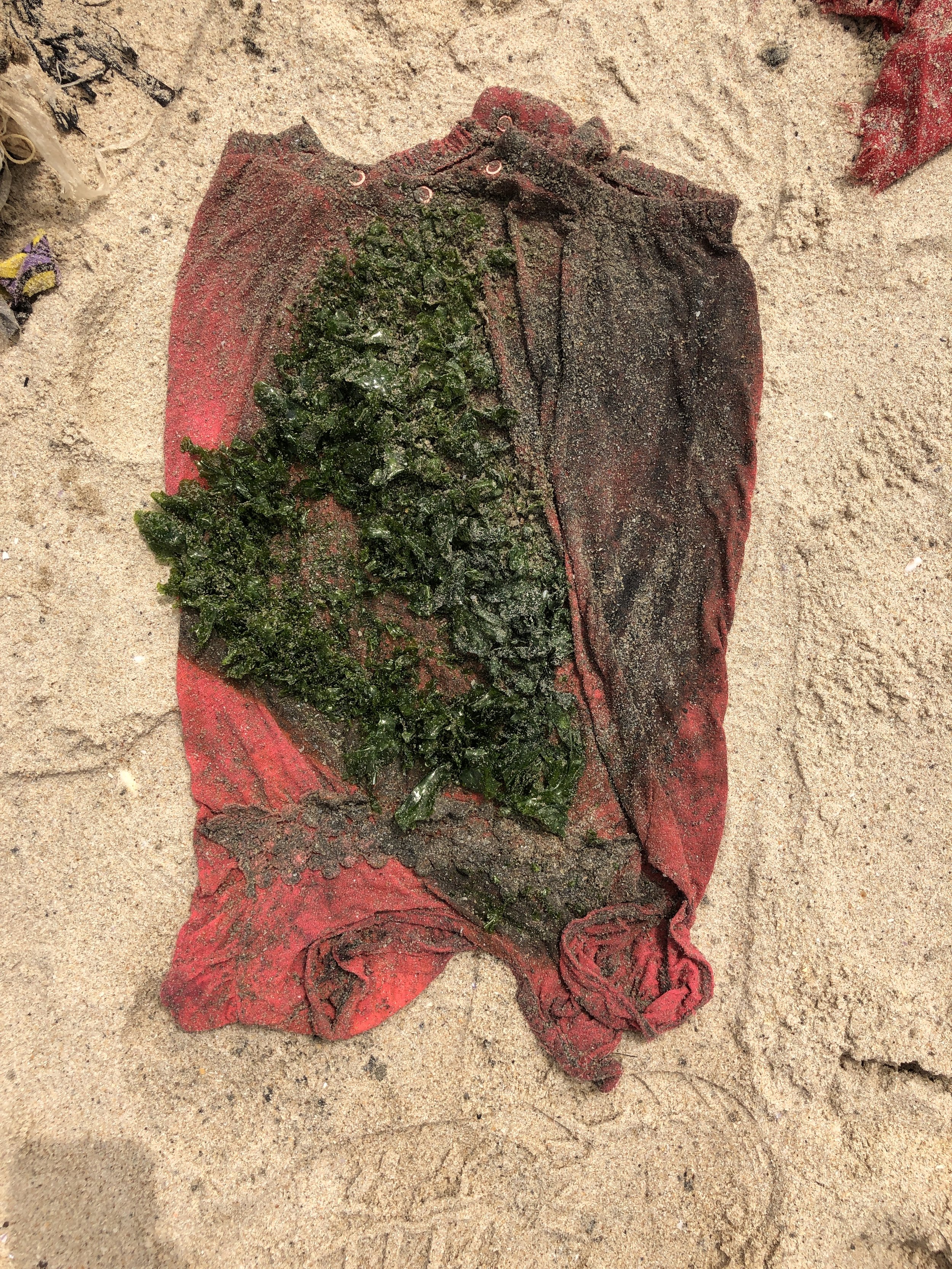
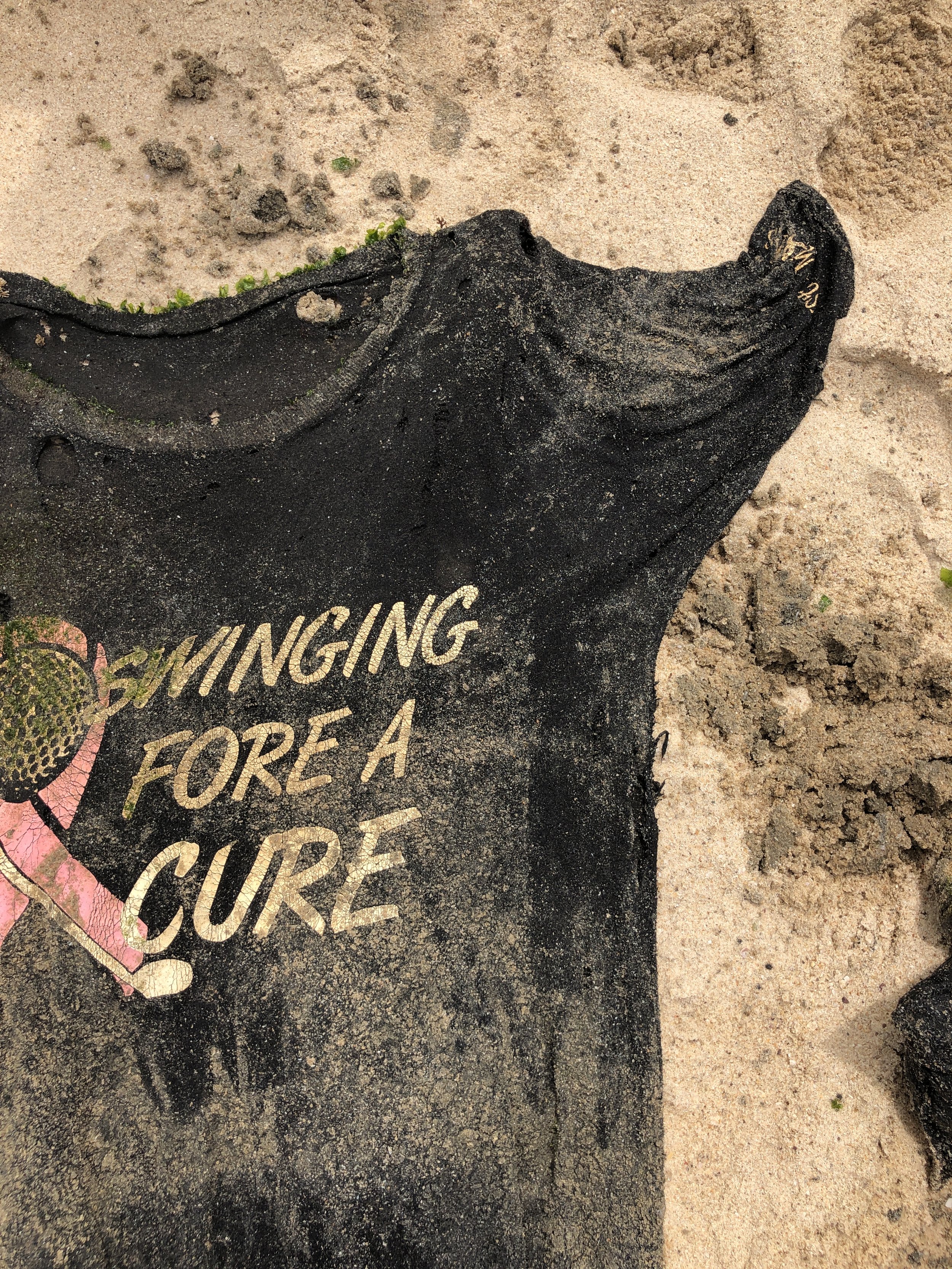
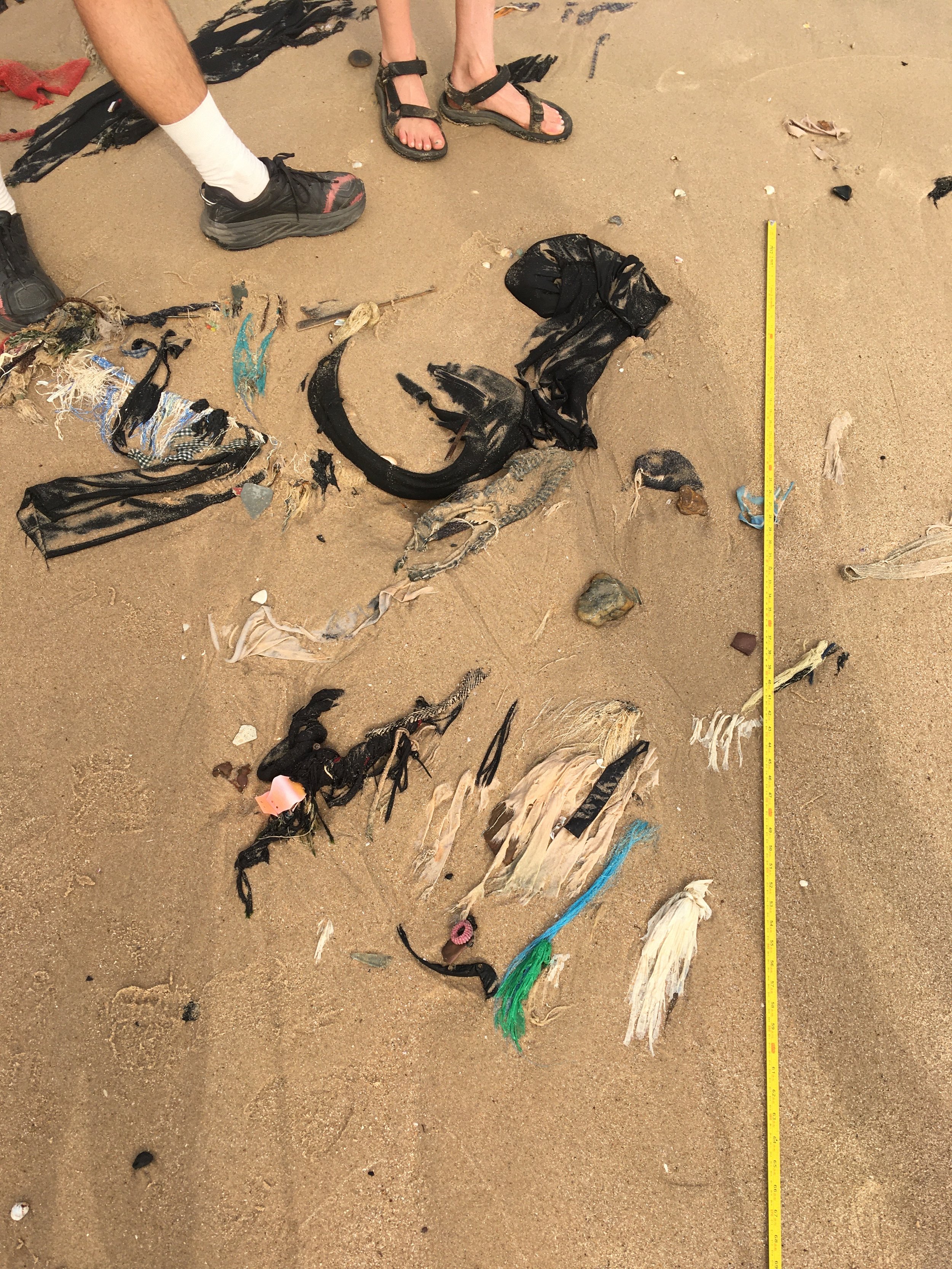
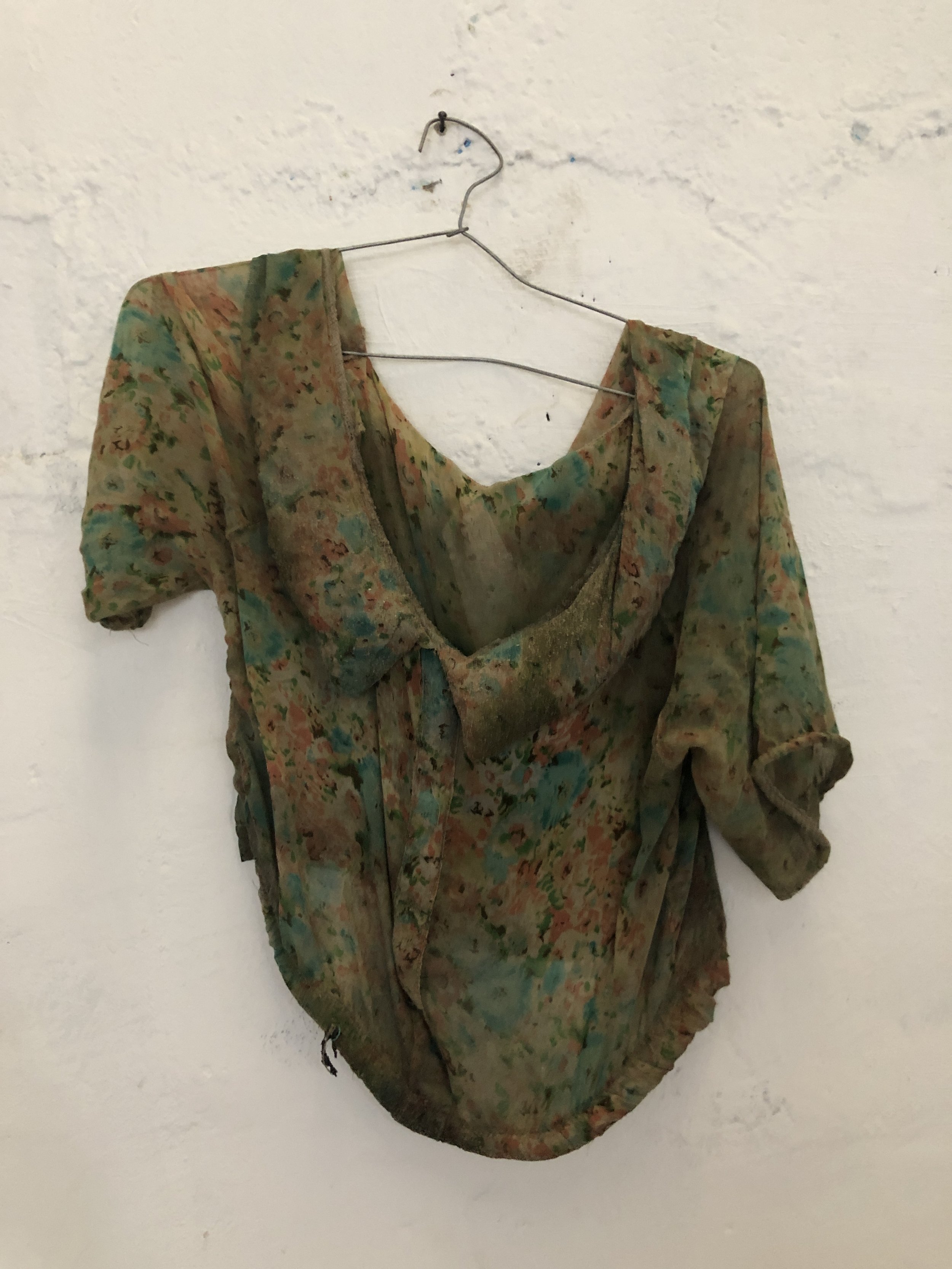
Ghana is one of the world’s largest importers of secondhand clothing, and Accra materializes the afterlives of global textile flows in particularly visible ways. Along the central coastline, secondhand clothing waste appears not as a cleanly bounded or easily collectible category, but as a heterogeneous, degraded, partially buried, and spatially dispersed accumulation. This project documents that accumulation and asks how import-end waste challenges dominant global textile waste statistics, which typically count garments at the point of domestic disposal or export, not at the point where they later accumulate as waste.
The fieldwork began as beach litter surveys along a 6.5 km stretch of the central Accra coastline and developed into a broader investigation of how secondhand clothing waste resists conventional measurement and reveals the limitations of current accounting systems.
approach
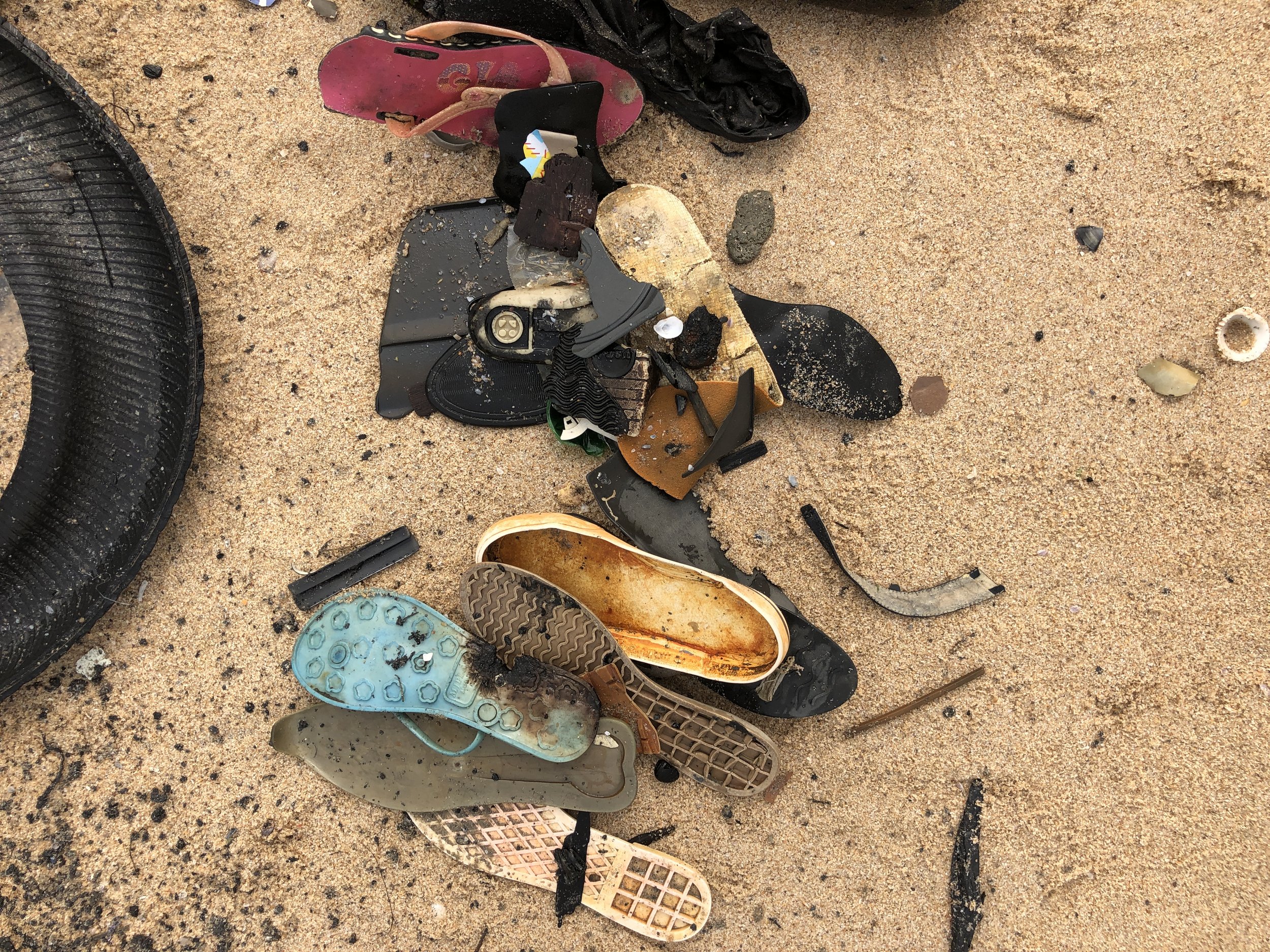
This study used a mixed, field-based approach across two phases. The first phase, conducted in January 2020, consisted of 84 beach litter surveys across six coastal sites along the central Accra coastline, along with a participatory action research beach cleanup case study. Standard collection-based beach litter survey protocols proved unworkable because textile waste was present in quantities too large to extract, buried to depths exceeding 2 meters, tangled in large cluster masses, and often too fragile to collect intact. In response, a site-specific visual assessment protocol was developed to classify shoes and footwear, intact garments, and tangled clusters of textile waste.
A second longitudinal phase, conducted from March 2023 to April 2024, applied the same protocol across the same six sites, adding session-based weight estimates. Together, these phases produced both a baseline and follow-up dataset capable of documenting not only accumulation, but persistence over time.
significance
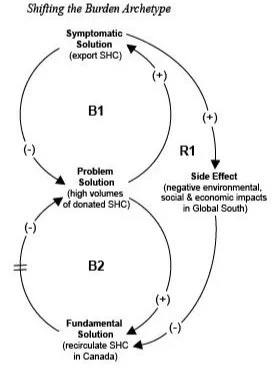
The project identifies what it terms an export gap in global textile waste accounting: garments categorized as donated, diverted, or reused in exporting countries disappear from domestic waste accounts without re-entering any accounting framework when they later become waste at import destinations. The problem is not simply missing data, but a structural mismatch between globalized textile waste metrics and the materially uneven realities of waste accumulation on the ground.
Fieldwork documented secondhand clothing waste at a scale and in forms unreported by dominant global metrics. Phase 1 recorded 6,512 individual items across 84 surveys, with an estimated 14,400 garment and footwear pieces when cluster coding midpoint estimates were applied. The participatory beach cleanup extracted 547 items from a 100 ft × 100 ft area, with teams digging to 2 meters depth and still encountering buried textile waste. Phase 2 documented an additional 5,883 clothing items, 7,935 plastic shoes and sandals, and approximately 6,382 kg of waste across 98 sessions. Most strikingly, the largest pile-cluster category increased from 13 in the 2020 baseline to 584 in the 2023–24 follow-up.
More broadly, the project argues that current policies and statistics misattribute both waste location and responsibility. Systems that count export as diversion or reuse obscure the burdens imposed on sites such as Accra’s coastline. The fieldwork therefore contributes not only empirical evidence of import-end textile waste accumulation, but also a methodological and conceptual argument for more place-based, destination-side, and materially attentive approaches to textile waste measurement.
outputs
Ryerson IFFTI Short Event 2021 Invited Presenter: The Western Charity Myth: Unpacking the Impacts of Second-hand Clothes in Ghana
Conference abstract submitted: The Export Gap in Textile Waste Accounting: Evidence from Ghana
Manuscript draft in development: The Persistence of Fashion: Secondhand Clothing Waste Along the Coast of Accra, Ghana